Your Beauty Roster: The Strategic Guide to Building a Team of Salon Specialists Who Know You
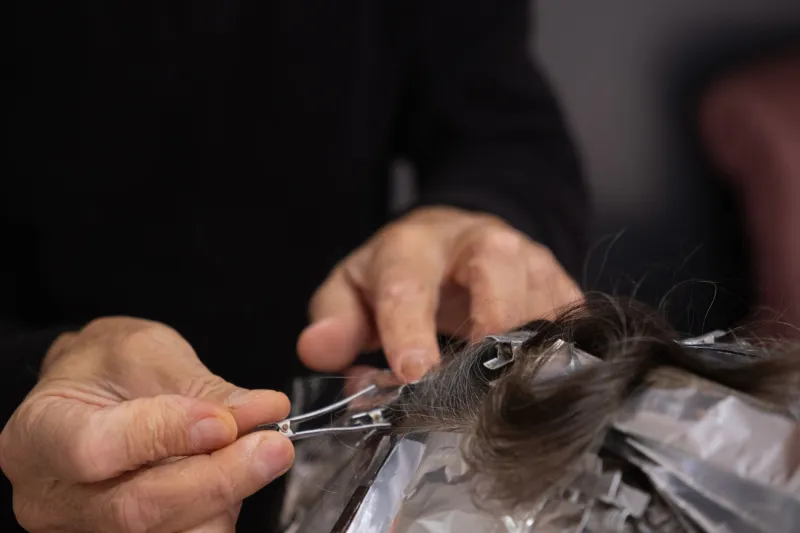
A single generalist stylist may serve many needs adequately, but the most polished, consistently elevated personal aesthetics are rarely the work of one person. Assembling a thoughtfully curated team of salon specialists — each an expert in their specific discipline — is one of the most effective strategies for achieving a look that is cohesive, current, and genuinely tailored to you. The art lies in finding the right professionals and ensuring they work in harmony.
The Case for Specialization
In medicine, we accept without question that a cardiologist and a dermatologist offer different — and non-interchangeable — expertise. The same principle applies to the beauty industry, though it is less commonly articulated. A colorist who has dedicated their career to mastering balayage, toning, and color correction brings a depth of knowledge and technical precision that a generalist stylist, however talented, simply cannot replicate across every discipline simultaneously.
The same is true of a texture specialist who works exclusively with curly, coily, and wavy hair patterns; a licensed esthetician with advanced training in chemical exfoliation and skin barrier repair; or a makeup artist whose daily practice keeps them current with the techniques and products that translate best on camera, in natural light, and across diverse skin tones.
Building a roster of such specialists is not an act of disloyalty to any individual professional. It is an act of self-knowledge — a recognition that different aspects of your appearance deserve different levels of expertise, and that you are worth that investment.
Identifying the Specialists You Actually Need
Before assembling your team, it is worth conducting an honest audit of your beauty priorities. Not everyone requires every type of specialist. The goal is to identify where professional expertise genuinely elevates your results beyond what a generalist approach can achieve.
The Colorist. If hair color — whether bold, natural, or anywhere in between — is central to your personal aesthetic, a dedicated colorist is arguably the most impactful specialist you can retain. Color is both technically complex and highly visible; a misapplied tone or an uneven lift is difficult to conceal and expensive to correct. A skilled colorist builds a detailed history of your hair's porosity, previous chemical treatments, and color evolution, allowing them to achieve results that are consistently flattering and structurally sound.
The Texture or Cut Specialist. Hair architecture — the foundational cut and how it interacts with your hair's natural texture — is a separate discipline from color. Some stylists excel at both; many genuinely specialize in one. If your hair has a complex texture, significant volume, or requires a precision cut to maintain its shape between appointments, a specialist in structural cutting or texture work will consistently outperform a generalist.
The Esthetician. Skin is the canvas upon which every other element of your appearance rests. A licensed esthetician who understands your skin type, tracks its seasonal changes, and administers treatments calibrated to your specific concerns — whether hyperpigmentation, dehydration, sensitivity, or early signs of aging — is an invaluable member of any beauty team. This relationship, built over time, produces compounding results that no single-visit facial can replicate.
The Makeup Artist. For clients who wear makeup regularly or who have significant professional or social occasions, a trusted makeup artist brings both technical skill and an objective eye. Beyond event preparation, periodic consultations with a makeup artist can update your technique, introduce you to current formulations, and ensure that your everyday look evolves alongside your changing skin and personal style.
How to Vet Each Professional
The vetting process for each specialist follows a similar framework, though the specific criteria differ by discipline.
For a colorist, examine their portfolio with particular attention to results on hair types and base tones similar to yours. Vibrant fashion colors photograph dramatically, but the true test of a colorist's skill lies in nuanced, natural-looking work — seamless blending, precise toning, and color that flatters the client's complexion. Request a consultation before committing to a full appointment; a skilled colorist will ask detailed questions about your history, lifestyle, and maintenance preferences before proposing a plan.
For an esthetician, inquire about their advanced training and the treatment modalities they offer. A licensed esthetician with continuing education in chemical peels, LED therapy, or microcurrent treatments brings a different level of capability than one whose practice is limited to basic facials. Ask how they approach new clients — a thorough intake process, including questions about medications, hormonal changes, and existing skincare routines, is a strong indicator of professional rigor.
For a makeup artist, look beyond event portfolios to see whether they demonstrate versatility across skin tones, ages, and aesthetic preferences. The ability to execute a natural, skin-forward look with the same precision as a dramatic editorial look speaks to genuine technical breadth. Ask whether they offer consultation services separate from application appointments — this indicates a professional who is invested in the client's ongoing development, not merely a single occasion.
Communicating a Unified Vision Across Multiple Professionals
The most common concern clients express about working with multiple specialists is the risk of a fragmented or inconsistent overall aesthetic. This is a legitimate consideration — and one that is entirely manageable with thoughtful communication.
The foundation of a cohesive multi-specialist approach is a clear, articulated personal aesthetic. Before introducing a new specialist to your roster, take time to define — in writing, if necessary — the qualities that characterize your ideal look. Specific descriptors are more useful than vague adjectives: "polished but not severe," "warm and luminous rather than cool and matte," "structured at the roots with movement through the lengths." These anchor phrases give each specialist a consistent reference point, regardless of their specific discipline.
Photography is an invaluable communication tool. Maintain a curated reference folder — not of looks you want to copy, but of images that collectively capture the aesthetic you are building. Share this with each specialist at the outset of the relationship and revisit it periodically. A colorist who understands that your overall aesthetic tends toward warm, rich tones will make different decisions about your highlights than one working without that context.
Transparency about your full team is also advisable. Informing your colorist that you work with a separate cut specialist, or telling your esthetician that you have a makeup artist who uses specific product categories, allows each professional to make informed decisions that complement rather than conflict with the work of their counterparts.
Maintaining the Relationships Over Time
A beauty specialist relationship, like any professional relationship, deepens with consistency. Booking regular appointments — rather than returning only when a problem has developed — allows each specialist to track your progress, anticipate your needs, and introduce new approaches at appropriate intervals.
It is equally important to communicate honestly when something is not working. A trusted specialist will always prefer direct feedback to silent dissatisfaction. The goal of every professional on your team should be the same: to help you look and feel like the most refined, confident version of yourself — consistently, not just on occasion.
At Belsi Salon, the philosophy of specialized expertise is embedded in how services are structured and how professionals are developed. Whether you are building your roster from scratch or refining a team that has served you for years, the investment in the right specialists — and the relationships you cultivate with them — is one that pays dividends in every reflection you encounter.