Why the Salon Chair Is One of the Most Powerful Places for Your Mental Well-Being
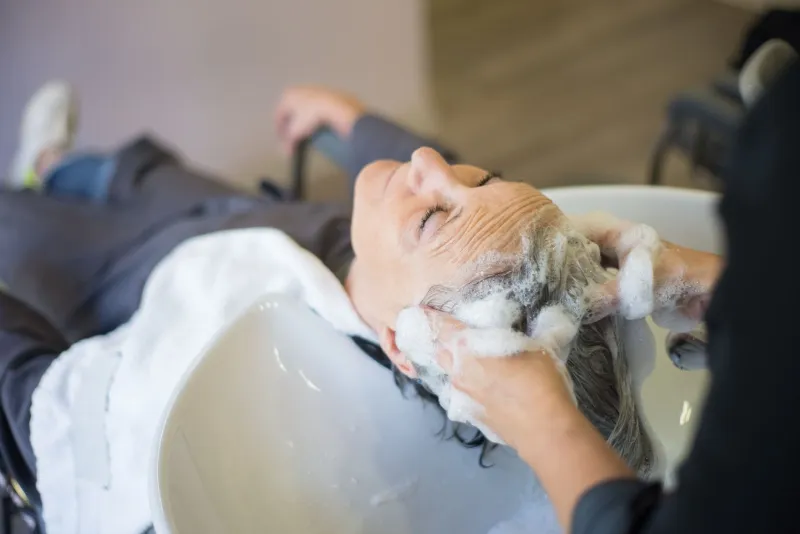
There is a particular kind of stillness that settles over a person the moment they recline into a salon shampoo bowl. The warm water, the practiced hands, the quiet hum of the environment — it is not incidental. It is, in the truest sense, therapeutic. And increasingly, psychologists, wellness practitioners, and professional stylists are articulating what many clients have felt intuitively for years: regular salon visits are a form of self-care that produces lasting psychological benefits, far beyond the surface level of a polished appearance.
The Difference Between a Routine and a Ritual
At-home beauty routines are valuable. They maintain what professionals establish, and they offer a degree of daily comfort and consistency. But there is a meaningful distinction between a routine and a ritual — and that distinction is precisely where the salon experience derives its power.
A routine is transactional. You cleanse, condition, style, and move on. A ritual, by contrast, carries intentionality. It is bounded by time, guided by expertise, and conducted in an environment specifically designed to signal to your nervous system that this moment is set apart from the demands of ordinary life.
Dr. Pamela Rutledge, a media psychologist and researcher affiliated with the Media Psychology Research Center, has written extensively on the psychological importance of ritual behavior. According to her work, repeated, meaningful actions — particularly those that involve sensory engagement and social connection — activate the brain's reward circuitry and reinforce a sense of identity and self-worth. The salon, understood through this lens, is not a luxury. It is a structured environment for reinforcing who you are and how you choose to present yourself to the world.
The Personalization Factor: Why It Matters More Than You Think
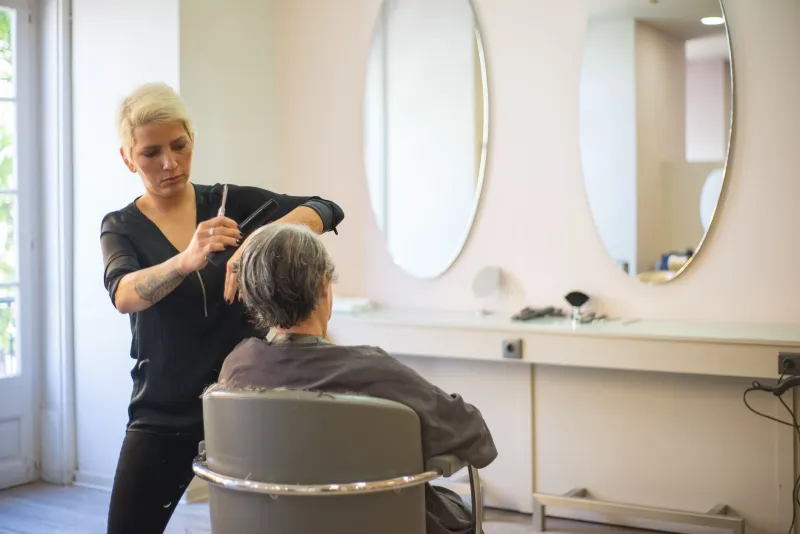
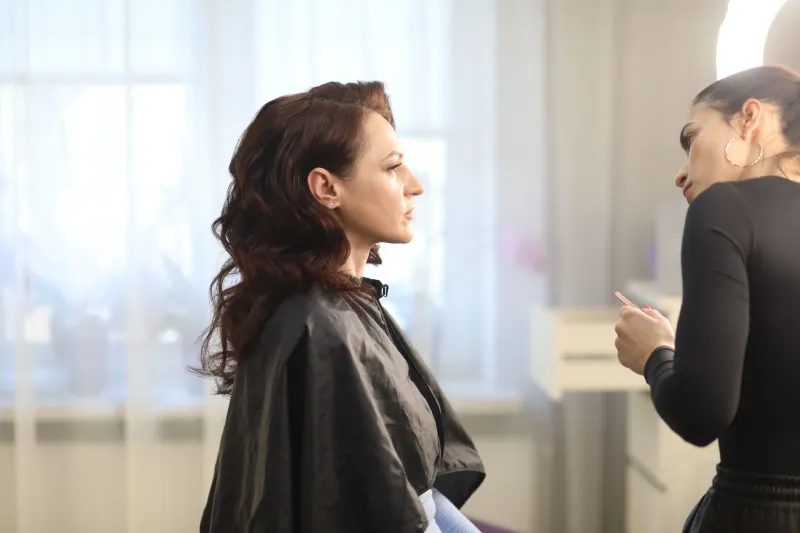
One of the most underappreciated dimensions of a professional salon experience is the degree of personalization it offers. When you sit with a skilled stylist, you are not simply receiving a service — you are being seen. Your hair texture, your lifestyle, your skin tone, your personal aesthetic preferences, even the shape of your face: all of these are taken into account in the crafting of a result that is uniquely yours.
This level of attentiveness has a profound psychological effect. Being genuinely listened to and responded to with expertise reinforces a sense of value. It communicates, in a very concrete way, that your needs matter and that the outcome is worth caring about.
Sylvia Tran, a licensed cosmetologist and salon director with over fifteen years of experience working with clients across a range of life stages and backgrounds, describes it this way: "The clients who come in consistently are not just maintaining their hair. They are maintaining their relationship with themselves. They leave standing differently. There's a composure that builds over time that you simply don't see with someone who only comes in when something has gone wrong."
This observation aligns with research in behavioral psychology suggesting that consistent, positive self-care rituals compound in their effect. A single salon visit may lift your spirits for a day. Monthly appointments, by contrast, build a scaffolding of self-regard that holds up even under stress.
The Science of Being Touched Intentionally
Physical touch — specifically, intentional, skilled, non-clinical touch — is one of the most undervalued components of the salon experience. Scalp massage, in particular, has been studied for its capacity to lower cortisol levels, the hormone most directly associated with stress. A 2016 study published in the journal PLOS ONE found that even a brief scalp massage significantly increased activity in genes associated with relaxation and reduced tension in participants.
This is not a trivial finding. In a culture where chronic stress is epidemic and physical touch has become increasingly rare in professional and social settings, the salon offers something genuinely restorative. The experience of being cared for — of having someone's full, skilled attention directed toward your comfort and appearance — activates the parasympathetic nervous system in ways that linger well beyond the appointment itself.
Why Consistency Amplifies the Effect
Perhaps the most important insight from both psychological research and the firsthand experience of professional stylists is that the benefits of salon care are cumulative. A single visit can produce a meaningful mood elevation. A consistent practice of professional self-care, however, builds something more durable: a stable, positive self-image that becomes part of your identity rather than a temporary state.
Clients who commit to regular appointments report not only looking better over time — thanks to the compounding effects of professional-grade treatments — but feeling more grounded, more confident in social and professional settings, and more attuned to their own needs. They develop a relationship with their stylist that functions, in some respects, like a trusted advisor relationship: a space where honest feedback is given, personal goals are discussed, and genuine progress is made.
Making the Appointment a Non-Negotiable
In American culture, there is still a residual tendency to frame beauty appointments as indulgences — something to be earned or justified, rather than simply scheduled as part of a healthy life. This framing does a disservice to the genuine value that professional salon care provides.
At Belsi Salon, the philosophy has always been that beauty and wellness are not separate categories. The care you receive in the chair — the expertise, the environment, the human connection — is as legitimate a component of your overall well-being as a gym membership or a meditation practice. Perhaps more so, because it addresses the whole person: how you feel, how you present yourself, and how you move through the world.
The confidence that emerges from consistent, professional care is not vanity. It is the natural result of being seen, cared for, and expertly attended to on a regular basis. It sticks because it is built on something real — on the accumulated experience of investing in yourself, appointment after appointment, until that investment becomes simply who you are.