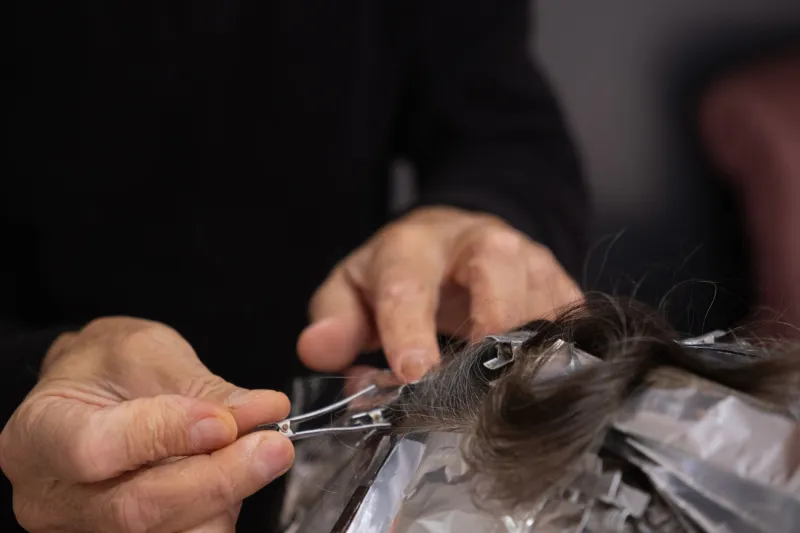
Between Appointments: The Daily Rituals That Preserve Every Dollar You Spend at the Salon
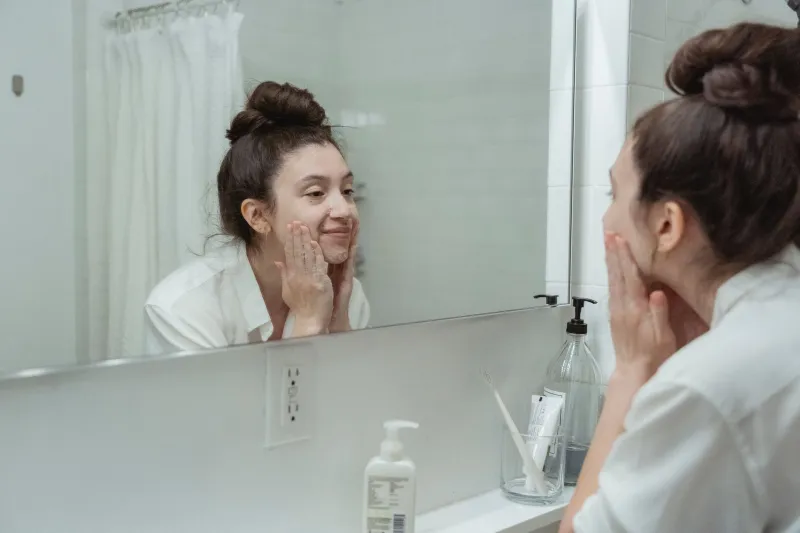
The spotlight in any salon story tends to fall on the appointment itself — the consultation, the transformation, the reveal. What rarely gets discussed is the 23 hours and 45 minutes of every subsequent day that will ultimately determine whether that transformation holds.
Professional stylists understand this intimately. They spend their working hours creating results that are designed to last, and their personal hours actively protecting their own hair and skin from the quiet, cumulative damage that daily life inflicts. Their at-home routines are rarely glamorous. They are, however, deliberate.
What follows is a practical guide — drawn from the habits of experienced beauty professionals — for clients who want to make the most of every professional service they invest in.
Start in the Shower: The Temperature and Timing Rules
Among the most consistent pieces of advice that professional stylists offer is also among the least followed: lower the water temperature, and reduce the time your hair spends under it.
Hot water opens the hair cuticle, allowing color molecules to escape and moisture to evaporate. For clients who have just received a professional color service or a hydrating treatment, a long, hot shower is essentially a slow erasure of their investment. Stylists who color their own hair rinse in cool — sometimes cold — water, particularly at the end of a shower, to seal the cuticle and lock in both color and moisture.
The timing matters as well. Saturated hair is at its most fragile. Minimizing the mechanical stress applied to hair while it is wet — aggressive scrubbing, tight towel wrapping, immediate brushing — significantly reduces breakage and extends the integrity of any professional treatment.
The professional habit: Rinse with cool water for the final 30 seconds of every shower. Pat hair dry with a microfiber towel rather than rubbing with a standard terrycloth one. Wait until hair is at least 70 percent dry before detangling, and always begin at the ends, working upward.
The Product Hierarchy That Most Clients Get Backwards
Salon professionals apply products in a specific sequence for a specific reason: each layer is designed to either protect the hair or enhance a particular quality, and layering them incorrectly diminishes the effectiveness of each.
The general rule, which most clients invert, is to apply the most penetrating products first — leave-in conditioners and treatments that are designed to absorb into the hair shaft — and the most coating products last. Heat protectants, for instance, should be applied to damp hair before any other styling product, not spritzed on as an afterthought before a flat iron passes through.
Oil-based serums and glossing products belong at the end of the sequence, applied to styled hair to add shine and seal the surface. Applying them too early creates a barrier that prevents subsequent products from performing as intended.
The professional habit: Establish a consistent product sequence: treatment or leave-in first, heat protectant second, styling product third, finishing serum or oil last. Use only what is necessary — product overload is a common cause of buildup that dulls color and weighs down texture.
Scalp Health Is Hair Health
Among the most overlooked aspects of at-home hair maintenance is scalp care. Stylists who have worked with clients for years will tell you that the condition of the scalp is one of the most reliable predictors of long-term hair health — and it is an area where daily habits make an outsized difference.
Excess oil, product buildup, and environmental pollutants accumulate on the scalp between washes, potentially clogging follicles and disrupting the healthy growth cycle. Stylists who prioritize scalp health tend to use a clarifying shampoo once every week or two, interspersed with a gentler, sulfate-free formula for regular washes. They also incorporate scalp massage — even briefly, during shampooing — to stimulate circulation and distribute natural oils.
For clients who have received professional scalp treatments, maintaining the results at home requires attention to what is applied to the scalp directly. Heavy, silicone-laden conditioners applied at the root can undo the benefits of a professional detox treatment within days.
The professional habit: Incorporate a gentle scalp massage of two to three minutes during each shampoo. Use a clarifying shampoo every seven to ten days, particularly if you use dry shampoo regularly. Apply conditioner from mid-shaft to ends only — never directly on the scalp.
Heat Styling: The Frequency and Temperature Discipline
Most clients know, in principle, that excessive heat damages hair. Fewer clients apply that knowledge with the specificity that stylists do. Professional colorists and stylists who maintain their own color-treated hair are remarkably disciplined about heat frequency and temperature settings — not because they are indifferent to styling, but because they understand the cumulative cost of thermal exposure.
The general professional standard is to use the lowest effective temperature for the hair type in question. Fine or color-treated hair rarely requires a flat iron set above 350°F. Thick or coarse hair may tolerate up to 400°F for brief periods. Exceeding these thresholds does not produce meaningfully better results — it simply accelerates damage.
Many stylists also embrace what might be called "strategic air-drying" — allowing hair to dry naturally for as long as possible before applying any heat tool, thereby reducing total thermal exposure without sacrificing the final result.
The professional habit: Set heat tools to the minimum effective temperature for your hair type. Always apply a heat protectant. Incorporate at least two heat-free styling days per week, and use those days to apply a deep conditioning mask or overnight treatment.
The Overnight Investment That Most Clients Skip
Sleep is, surprisingly, one of the most impactful variables in hair and skin maintenance — and one of the easiest to optimize with minor adjustments.
Cotton pillowcases create friction that roughens the hair cuticle overnight and can accelerate color fading. Silk or satin pillowcases, by contrast, allow hair to move freely with minimal friction. Many stylists also sleep with their hair loosely braided or twisted to prevent tangling and preserve blowout longevity.
For skin, the overnight hours represent the body's primary window for cellular repair. Clients who have received professional facials or chemical treatments maximize their results by applying a targeted overnight treatment — a retinol, a peptide serum, or a hydrating sleeping mask — in the days following their appointment.
The professional habit: Switch to a silk or satin pillowcase. Apply your most active skincare products at night, when absorption and cellular turnover are at their peak. Loosely secure hair before sleeping to prevent mechanical damage.
The Simplest Rule of All
Underlying every professional habit described above is a single, consistent principle: consistency itself. The clients who preserve their salon results most effectively are not those who follow the most elaborate routines. They are the ones who follow a simple, appropriate routine without interruption.
The salon provides the transformation. The daily ritual sustains it. Both are essential — and at Belsi Salon, we consider it part of our commitment to every client to ensure that the work we do together extends as far beyond the chair as possible.